Learn about the causes of Separation Anxiety & find a practitioner in Auckland, Hamilton, Bay of Plenty, Wellington, Christchurch, Dunedin to help you overcome Separation Anxiety within New Zealand.
Separation anxiety occurs from a perceived loss of security in children who have difficulty 'letting go' of a parent or carer. Babies can become anxious when separated from their primary carer not knowing when, or if, the carer will return. Young children develop anxiety disorders fearing a parent or carer will fall ill or be involved in an accident during periods of separation. Adults can also suffer separation anxiety disorders when apart from their children or partner.
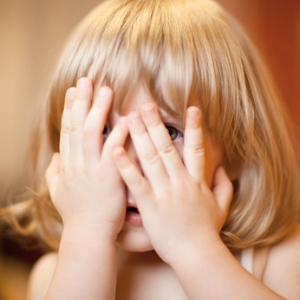
There are a number of symptoms that characterise separation anxiety. These include:
If you or your child are suffering with separation anxiety then in the
first instance you should visit your GP and explain the problems you
are having. The GP will then refer you to a health care professional
who is qualified to make a diagnosis of separation anxiety disorder
(this will often involve a paediatrician, child psychologist or other
mental health specialist).
You and your child or partner will be
assessed in order to identify how each individual perceives the
situation. You will be asked about specific symptoms of anxiety and the
health care specialist will explore if there is an underlying mental
health problem.
For a diagnosis of separation anxiety disorder,
three or more of the above symptoms should be present for at least a
month. There should also be significant problems with social
relationships and school (or daycare in the case of younger children).
If the disorder is not considered to be present, then other mental
health conditions will be explored.
*Source: GoToSee.co.uk
"Bridging the gap between mind, body and spirit is your ultimate key to true happiness"