Learn about the causes of Muscle Cramps & find a practitioner in Auckland, Hamilton, Bay of Plenty, Wellington, Christchurch, Dunedin to help you overcome Muscle Cramps within New Zealand.
Muscle cramps are forceful and sustained spasms, where the muscle contracts involuntarily and does not relax. They are often caused by overexertion or cold, and are due to either a lack of oxygen, or lack of fluid and salt to the muscle.

The exact causes of muscle cramps are
unclear but the prolonged tightening of a muscle (contraction) is the
common reason. The majority of muscle cramps have no underlying cause
but exercise, health conditions and medications can trigger cramps.
During
rigorous activity or exercise, the muscles are put under extreme stress
for prolonged periods and as such sportsmen and sportswomen are
typically affected by cramps. Sweating, particularly in warmer
conditions, results in a loss of salt from the body which can trigger
cramps.
Certain health conditions can cause muscle cramps such
as Motor neurone disease and conditions of the liver, kidney and
thyroid. Dehydration is also a common cause of muscle cramps.
Medications
such as diuretics, asthma meds (salbutamol) and medicines that lower
fats in the blood can cause frequent muscle cramps as can menstruation
(abdominal cramps).
In the majority of cases, muscle cramps will ease within a few minutes
and not return however if cramps are frequent and affecting quality of
life then you should visit a GP to rule out any underlying health
problem which may be the cause.
A GP will perform a physical
examination and ask about any other symptoms such as numbness or
swelling. If the GP suspects disease in the body then you will be
referred for further tests.
Featured Product(s):
|
Product Information |
Product Website
|
|
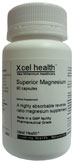
Superior Magnesium Capsules |
 HealthyOnline
|
*Source: GoToSee.co.uk
Recent Muscle Cramps Questions
"Bridging the gap between mind, body and spirit is your ultimate key to true happiness"